Elevate Your Outdoor Living Space: Insights From a Skilled Landscaping Professional
Transforming an exterior living area demands deliberate assessment and preparation. A seasoned outdoor design specialist stresses the value of assessing current landscape elements and identifying distinct spaces for multiple functions. Incorporating hardscaping can boost the practical appeal of the environment. In addition, opting for the ideal plants and lighting solutions can substantially shape the entire aesthetic feel. Understanding these elements is essential. Which actions are necessary to transform an outdoor concept into a finished space?
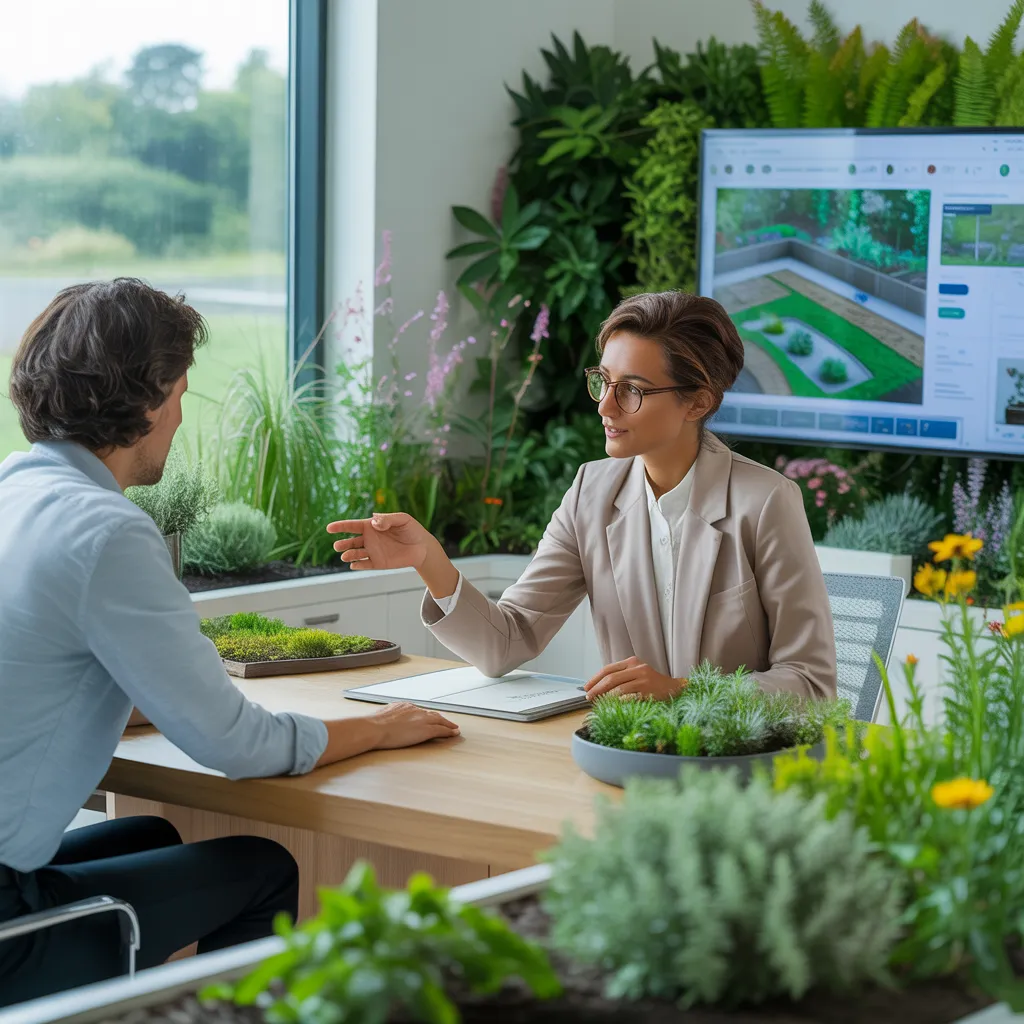
Assess Your Outdoor Space: Identify Key Changes to Make
What is the best way to assess an outdoor area to determine needed improvements? First, a thorough inspection of the area is essential. This includes examining the functionality take action of existing features such as pathways, seating, and lighting. Observing how these elements interact with one another can reveal potential improvements. Moreover, one should assess the current state of plants and garden materials, taking note of areas that could benefit from repair or substitution.
Next, gauging the space's usability is vital. Are there zones for relaxation, entertainment, or gardening? Recognizing underutilized spaces can expose chances for upgrading. Key environmental elements, including sun exposure and water drainage, should not be overlooked, as they influence the health of plants and general enjoyment.
Finally, seeking opinions from household members or frequent guests can deliver meaningful observations. By integrating personal assessments with input from others, one can create a thorough plan for transforming the outdoor space effectively.
Define Your Style: Finding the Ideal Look for Your Garden
Choosing the ideal style for a garden begins with identifying one's own preferences. Examining different garden themes can assist people design a place that showcases their personality and fulfills their desires. By carefully weighing these factors, one can convert an outdoor area into a unified and appealing haven.
Identify Your Preferences
When defining the style of a garden, one should take into account personal style and the overall aesthetic vision. The journey starts by assessing personal preferences, whether leaning towards sleek modern design, classic rustic beauty, or bold tropical aesthetics. A thoughtful consideration of color schemes, plant selections, and garden structures can guide choices that resonate with a personal vision. Additionally, practical considerations such as climate, maintenance levels, and available space should influence decisions. Reflecting on how the garden will be used—whether designed for social gatherings, peaceful retreats, or active cultivation—serves to clarify design preferences. Ultimately, identifying these elements creates a cohesive design that not only enhances the outdoor space but also reflects the homeowner's personality and lifestyle, establishing the basis for a genuinely individualized outdoor sanctuary.
Explore Garden Themes
Discovering outdoor garden concepts allows home dwellers to establish a personalized outdoor aesthetic that suits their individual style and habits. Various themes, such as contemporary, cottage, or Mediterranean, offer unique elements that can be tailored to individual tastes. A cottage garden, defined by its relaxed design and varied plant selections, conveys character and coziness. In contrast, a modern garden focuses on structured layouts and restraint, frequently featuring paved surfaces and modern elements. A Mediterranean-inspired design inspire relaxation, featuring water-wise vegetation and bold hues. In choosing a garden style, home dwellers should take into account climate, maintenance requirements, and personal style. In the end, a carefully selected outdoor design does more than improve the visual appeal while also establishing a cohesive outdoor space that embodies the resident's unique sense of self.
Incorporate Hardscaping for Structure
To enhance the overall design of an outdoor space, adding hardscaping components delivers fundamental structure and harmony. Hardscaping encompasses the non-living elements like patios, garden paths, retaining walls, and decorative stonework that form well-defined zones within the outdoor setting. These features enhance both practicality and visual appeal, guiding movement and establishing focal points.
To illustrate, a strategically positioned stone pathway can lead guests through a garden, while a raised patio can act as an outdoor living area, providing a clear separation from the home to the yard. Moreover, including materials like brick, pavers, or natural stone can improve the visual appeal and durability of the space.
Integrating hardscaping not only reduces maintenance by minimizing grassy areas but also permits innovative designs that express personal style. At the core, these components set the stage for a harmonious outdoor setting, integrating naturally with the natural surroundings.
Select the Best Plants for Your Climate
When choosing plants for exterior areas, familiarity with the local climate is crucial. This knowledge allows for the selection of native plants, which are often more resilient and better adapted to the environment. By picking the most suitable plant types, landscapers can boost their outdoor space's longevity and attractive qualities.
Analyze Your Local Climate
Understanding the local climate is crucial for identifying suitable plants, as it greatly affects their growth and survival. Elements including temperature fluctuations, relative humidity, rainfall, and solar exposure hold significant importance in identifying which plants flourish. For example, climates featuring warm summers and temperate winters may support drought-tolerant varieties, while areas with heavy rainfall might accommodate moisture-thriving plants. Gardeners should also factor in seasonal transitions and microclimate conditions within their landscape, as these can greatly affect plant health and growth. By analyzing the surrounding climate thoroughly, individuals can establish a individualized growing strategy that not only elevates the garden's appearance but also promotes a long-lasting and robust garden landscape. This method results in stronger plants and decreased upkeep requirements.
Native Plant Benefits
Selecting native plants for a garden complements the insights gained from examining the local climate. These species are naturally suited to local conditions, needing minimal water, fertilizer, and maintenance relative to non-native species. They thrive in specific soil types and weather patterns, promoting healthier ecosystems. Furthermore, native plants draw in local pollinators, such as bees and butterflies, which are essential for biodiversity. When including native species, homeowners can establish sustainable landscapes that sustain wildlife while boosting the aesthetic value of their outdoor spaces. Beyond that, these plants often exhibit resilience against pests and diseases common to the area, reducing the need for chemical interventions. At its core, selecting native plants fosters a harmonious relationship between the garden and its surrounding environment.
Set the Mood With Outdoor Lighting
Setting the perfect mood with exterior lighting can transform any space into a cozy retreat. Thoughtfully arranged fixtures can illuminate architectural elements, garden paths, and greenery, improving the general appearance. Subtle, warm light is excellent for crafting a hospitable environment, while string lights or lanterns can bring a charming element to exterior entertaining.
Professionals recommend combining multiple light sources to create visual depth. For example, pairing ambient lighting with task and accent lights can create a balanced effect. Adding motion-activated lights boosts safety while also offering practical lighting.
Additionally, dimmers provide flexibility, enabling adjustments based on the occasion. Solar lights serve as a sustainable solution that demands little upkeep, making them appropriate for numerous outdoor spaces. At the end of the day, strategic outdoor lighting not only increases safety but also encourages relaxation and socializing, rendering any outdoor space significantly more appealing.
Customize Your Area: Creative Concepts to Beautify Your Backyard
Outdoor spaces are wonderfully transformed by incorporating personal elements that reflect individual style. Incorporating special outdoor embellishments, such as ornamental figures or wind chimes, can create focal points that attract notice. Opting for colorful containers or decorative vessels introduces bright color, while lattice structures covered with climbing vines introduce vertical interest.
Tailored seating zones, featuring cushions in assorted patterns and textures, encourage rest and social interaction. Landscape paths bordered by pebbles or engaging stepping stones can direct visitors throughout the garden, elevating the entire atmosphere.
Including elements like butterfly feeders or birdhouses not only attracts wildlife but also adds charm. Additionally, displaying seasonal accents, such as spring flowers or autumn gourds, helps the garden stay dynamic and appealing throughout the changing seasons.
Keep Your Oasis: Key Care Tips for Long-Lasting Beauty
Keeping up a garden oasis needs regular attention to make certain its splendor persists through the passing seasons. Frequent watering is necessary, particularly during droughts, making sure that plants are given proper hydration without getting oversaturated. Mulching around plants helps retain moisture and suppress weeds, encouraging a healthier garden. Trimming is another essential duty; it stimulates healthy growth and cuts out dead or diseased growth. Fertilizing should be done according to plant needs, supplying essential nutrients for radiant blooms and rich foliage.
Weed control is critical; taking preventive measures reduces resource competition. Regular seasonal checks help detect pests or diseases at an early stage, making it possible to address issues before they escalate. Additionally, routine lawn maintenance such as mowing and aeration enhances the overall aesthetic appeal. By applying these important lawn care practices, a yard can flourish beautifully, transforming into a lasting sanctuary that delights the senses for years to come.
Maximize Your Outdoor Space After Dark
How can one truly appreciate an outdoor space once darkness falls? The right lighting enhances the atmosphere, highlighting garden features and forming welcoming walkways. Soft, warm lights can highlight the natural greenery, while decorative string lights bring a charming effect. Introducing lanterns or candlelight enhances the cozy atmosphere, ideal for gatherings or quiet evenings.
In addition, incorporating fire pits or outdoor heaters increases versatility, allowing for heat and comfort throughout chilly nights. Acoustic elements, such as water features or ambient music, are able to enrich the sensory experience, making the space feel more alive.
Furniture selections also serve a significant purpose; cozy seating fosters a sense of ease and togetherness. Additionally, think about adding night-blooming plants to introduce fragrance and visual appeal once darkness falls. By mindfully refining these components, one can establish an enchanting outdoor haven that flourishes during the nighttime hours, encouraging exploration and pleasure long after dusk.
Frequently Asked Questions
How Can I Budget for a Landscaping Project?
In order to budget for a landscaping project, it is important to assess the desired features, gather quotes from professionals, factor in materials and labor costs, and establish a contingency fund for unanticipated expenses along the way.
When Are the Best Times of Year for Landscaping?
The best times for landscaping are usually fall and early spring. During these seasons, temperatures are moderate, permitting plants to take root before winter or summer heat, ensuring healthier growth and ideal results for your landscaping endeavors.
Should I Do Landscaping Myself or Hire a Professional?
People may decide to handle landscaping on their own or work with a professional landscaper, according to their abilities, available time, and the complexity of the project. Considering one's abilities and expected results typically establishes the best course of action for completing landscaping work.
How Do I Find the Right Landscaper for My Project?
To identify the ideal landscape specialist, individuals should evaluate portfolios, check references, consider experience, and ensure alignment with the project vision. Furthermore, obtaining multiple quotes can assist in gauging pricing and services offered for sound decision-making.
Which Common Landscaping Mistakes Should I Watch Out For?
Common mistakes in landscaping include overplanting, neglecting soil quality, ignoring local climate, failing to contemplate maintenance, and not planning for growth. Thorough research and careful planning can prevent these issues and lead to a thriving landscape project.